Fleet Management Tips for Rochester, NY Trucking Companies
Managing a commercial truck fleet in Rochester, NY, requires careful maintenance planning, vehicle inspections, and downtime management. Explore practical fleet management tips to reduce unexpected breakdowns, control repair costs, and keep your trucks available for work.

A truck sitting in a repair shop cannot complete its scheduled deliveries, but the disruption often begins long before the vehicle breaks down. Missed maintenance intervals, recurring mechanical problems, and poorly coordinated repairs can gradually reduce fleet availability. For Rochester trucking companies, a consistent fleet management strategy helps identify these problems earlier and keep vehicles operating more reliably.
What Does Effective Fleet Management Involve?
Commercial truck fleet management involves coordinating vehicle maintenance, inspections, repair schedules, operating costs, and equipment availability. The goal is to keep trucks safe, serviceable, and ready for assigned work while reducing avoidable expenses and operational disruptions.
For trucking companies in Rochester, NY, fleet management must also account for seasonal conditions, demanding delivery schedules, and highway travel along I-90, I-390, and I-490.
An effective program typically includes:
- Preventive maintenance scheduling: Tracking service intervals based on mileage, engine hours, operating conditions, and manufacturer recommendations.
- Vehicle condition monitoring: Identifying developing mechanical problems before they cause extended downtime.
- Repair coordination: Scheduling maintenance and addressing defects without unnecessarily disrupting dispatch operations.
- Maintenance documentation: Recording inspections, completed repairs, expenses, and recurring concerns.
- Safety and compliance: Monitoring vehicle roadworthiness and applicable commercial vehicle requirements.
- Cost management: Evaluating maintenance spending alongside equipment availability and repair frequency.
Understanding the broader fleet management process helps businesses connect vehicle maintenance with scheduling, operating expenses, and overall fleet performance.
PNS Truck Repair LLC provides on-site fleet management services in Rochester, allowing operators to coordinate scheduled maintenance, inspections, diagnostics, and applicable repairs at their fleet facilities.
1. Build a Preventive Maintenance Schedule Around Your Fleet
Heavy-duty truck preventive maintenance works best when service intervals reflect how each vehicle operates. A truck completing short local deliveries may experience different wear patterns than one traveling long highway routes every day.
Rather than relying on a single schedule for every vehicle, fleet managers should consider mileage, operating hours, engine specifications, vehicle age, and maintenance history.
Important maintenance priorities include:
- Engine oil and filter service
- Coolant condition and cooling system inspections
- Brake system inspections and adjustments where applicable
- Tire pressure, tread wear, and wheel condition checks
- Steering and suspension component inspections
- Fluid leaks and lubrication requirements
- Battery, charging system, and electrical checks
A structured fleet maintenance management program can support better scheduling, repair documentation, and long-term operating cost decisions.
Fleet managers should also account for service time when planning vehicle availability. Scheduling maintenance during predictable downtime can reduce the need to pull trucks away from active routes.
2. Use Fleet Inspections to Catch Problems Early
Many expensive truck repairs begin as smaller mechanical concerns. A minor coolant leak, uneven tire wear, or intermittent electrical fault may not immediately disable a vehicle, but continued operation can allow the problem to worsen.
Commercial fleet vehicle inspections help operators identify these issues before they interfere with scheduled work.
Drivers should report unusual vehicle behavior during pre-trip and post-trip inspections, including:
- New vibrations, pulling, or steering changes
- Air-pressure problems or unusual brake behavior
- Rising engine temperatures or coolant loss
- Uneven tire wear and visible tire damage
- Electrical warnings or intermittent starting problems
- Suspension noise, instability, or abnormal ride height
Maintenance teams should investigate reported defects based on their severity rather than automatically postponing repairs until the next scheduled service.
Brake, steering, suspension, tire, and lighting conditions deserve particular attention because defects involving these systems can affect vehicle safety and roadworthiness.
3. Reduce Downtime With On-Site Fleet Maintenance
Moving multiple trucks to a repair facility creates additional scheduling challenges. Drivers may spend time transporting vehicles, waiting for service, and returning equipment to the operating yard.
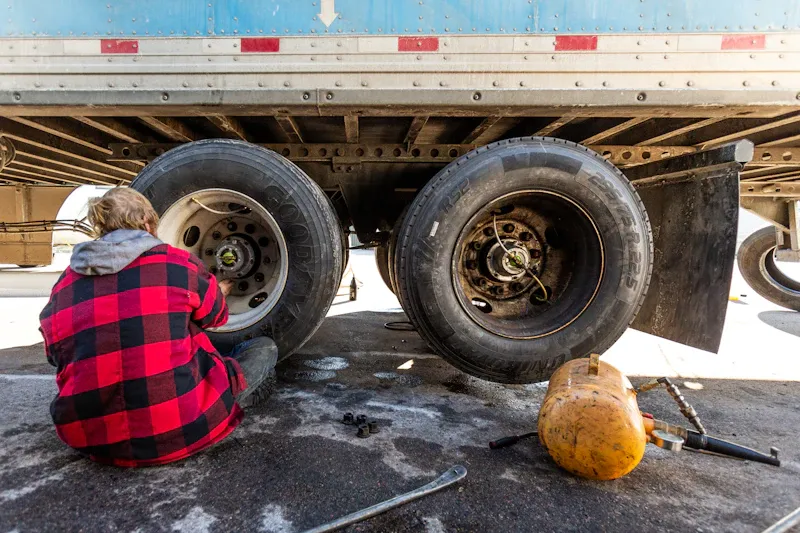
Mobile fleet maintenance services provide an alternative for work that can reasonably be completed at the customer's location.
For fleets with centralized parking facilities, planned on-site service can offer several advantages:
- Less time spent transporting trucks for routine maintenance
- Easier coordination of service across multiple vehicles
- Opportunities to inspect trucks while they are already parked
- Earlier identification of developing repair needs
- Greater flexibility when scheduling maintenance around dispatch
A fleet with several trucks due for inspections or fluid service may be able to coordinate those tasks during the same maintenance window.
However, not every repair is appropriate for mobile service. Major mechanical work or repairs requiring specialized shop equipment may still need to be completed at a repair facility.
The objective is to choose a service arrangement that limits unnecessary disruption without compromising repair quality or safety.
4. Track Repairs and Maintenance Costs for Every Truck
Fleet maintenance records help managers understand how individual vehicles perform over time. Without consistent documentation, recurring problems may appear unrelated, and repair expenses become harder to evaluate.
Each vehicle should have an accessible service history containing:
- Vehicle identification and current mileage
- Dates of inspections and maintenance
- Completed repairs and replaced components
- Reported faults and unresolved concerns
- Labor, parts, and service expenses
- Upcoming maintenance requirements
These records help managers identify trucks that experience repeated failures or require unusually frequent repairs.
For example, a vehicle returning several times for tire wear may need an alignment or suspension evaluation rather than another tire replacement. Tracking the issue makes it easier to recognize the pattern and investigate its cause.
Repair history can also support decisions about major repairs, equipment replacement, and maintenance budgets.
5. Prepare Your Fleet for Rochester's Seasonal Conditions
Rochester winters create additional maintenance demands for commercial vehicles. Freezing temperatures, road salt, snow, and moisture can contribute to electrical problems, corrosion, reduced battery performance, and air-system concerns.
A winter fleet maintenance checklist should address systems that become more vulnerable during cold-weather operations.
Important inspection points include:
- Batteries and charging systems: Test battery condition and investigate slow cranking before sustained freezing temperatures.
- Air brake systems: Inspect air dryers, leaks, and moisture-related concerns that can interfere with operation.
- Cooling systems: Check coolant condition, concentration, hoses, and leaks.
- Tires: Monitor inflation and tread condition as temperatures and operating conditions change.
- Lighting and electrical connections: Inspect exposed wiring, connectors, and lights for corrosion or damage.
- Suspension and steering: Look for wear or damage that may affect handling on rough winter roads.
Seasonal preparation should begin before extreme weather arrives. Waiting until several vehicles experience cold-weather failures can create a maintenance backlog when fleet availability matters most.
6. Develop a Plan for Roadside Breakdowns
Even well-maintained commercial fleets can experience unexpected mechanical failures. Road hazards, component defects, and sudden equipment problems cannot always be predicted through routine inspections.
A fleet roadside breakdown response plan helps drivers and dispatchers respond efficiently when a truck becomes disabled.
The plan should establish:
- Driver safety procedures: Identify when the truck must stop operating and how to secure the vehicle safely.
- Breakdown reporting: Record the exact location, vehicle information, warning indicators, and reported symptoms.
- Repair coordination: Determine which service provider to contact and what information they need.
- Dispatch communication: Notify relevant personnel so deliveries and vehicle assignments can be adjusted.
- Post-repair documentation: Record the failure, completed work, and any recommended follow-up maintenance.
For Rochester operators traveling along major highways, understanding common mechanical failures can improve roadside preparedness.
PNS Truck Repair's article on common Rochester roadside problems covers tire failures, air brake issues, overheating, electrical faults, and other breakdowns affecting trucks on I-90, I-390, and I-490.
Recognizing these warning signs helps drivers communicate more effectively with service technicians and avoid continuing operation when doing so could cause further damage.
7. Use Fleet Performance Data to Improve Maintenance Decisions
A fleet management program becomes more useful when managers regularly evaluate its results. Fleet maintenance cost tracking provides insight into where downtime occurs, which trucks require the most attention, and which repairs continue to reappear.
Useful performance indicators include:
- Unscheduled breakdown frequency: How often vehicles require unexpected service.
- Maintenance cost per mile: Repair and maintenance spending relative to vehicle use.
- Vehicle availability: The proportion of time trucks remain available for assigned work.
- Repeat repair frequency: How often a previously addressed problem returns.
- Preventive maintenance compliance: The percentage of scheduled services completed on time.
Comparing these measurements over time can reveal maintenance problems that individual repair invoices may not make obvious.
Fleet managers should review the results periodically and adjust inspection intervals, repair priorities, or replacement plans when the data supports a change.
Keep Your Rochester Fleet Running With Planned Maintenance
Effective fleet management requires consistent inspections, organized service schedules, reliable maintenance records, and a practical response plan for unexpected failures. Addressing developing problems before they become major repairs can help Rochester trucking companies reduce operational disruption and make better use of their equipment.
PNS Truck Repair LLC provides on-site fleet maintenance and repair services throughout, and surrounding communities. Its mobile service approach allows commercial fleet operators to coordinate preventive maintenance, inspections, diagnostics, and applicable repairs at their facilities.
[ Articles ]
Read Articles from our Industry Experts


Call for mobile truck repair, roadside assistance, & fleet maintenance services in Rochester, NY today!