7 Common Roadside Truck Problems We Fix on I-90, I-390 & I-490 in Rochester
A breakdown on I-90, I-390, or I-490 can quickly derail a Rochester run. Learn seven common roadside truck problems, the symptoms drivers often notice first, and how roadside repairs can help get a disabled truck moving safely again.
.webp)
A warning light comes on, the truck starts pulling, or the temperature gauge suddenly climbs. A few minutes later, you're looking for a safe place to get off the road.
Many roadside truck problems give you some warning before the truck becomes disabled. Knowing what those signs mean can help you respond sooner and give a roadside technician better information when you call.
1. Commercial Truck Tire Failures
A commercial truck tire blowout isn't always completely unexpected. Low pressure, tread damage, punctures, road debris, and excessive heat can weaken a tire before it finally fails.
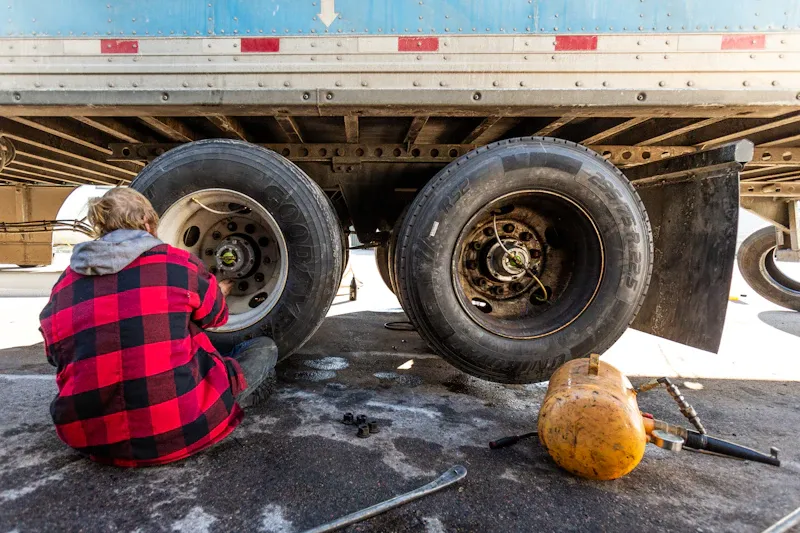
You might notice vibration, pulling, pressure loss, or unusual tread wear first. If something feels wrong, checking the tire before it lets go can save you from additional wheel-area damage.
Once a tire fails, the extent of the damage determines what happens next. A mobile truck tire repair may get you moving again, while a badly damaged tire will need replacement.
2. Air Brake System Problems
A low-air warning changes the situation quickly. Heavy-duty trucks use compressed air to operate their brakes, so a truck that can't build or hold sufficient air pressure needs attention before it continues down the road.
Several components could be involved. The air compressor builds pressure, the air dryer removes moisture, and air lines carry compressed air to the brake chambers. Those chambers convert air pressure into the force that applies the brakes.
Rochester winters add another concern. Moisture that makes its way into the system can freeze in cold conditions, which is one reason the air dryer plays such an important role.
3. Diesel Engine Overheating
Sometimes the first clue is a temperature gauge moving higher than usual. Other times, a coolant warning or visible leak makes the problem obvious.
Your cooling system circulates coolant through the engine to absorb heat. That coolant then moves through the radiator, where airflow helps release the collected heat.
When that process breaks down, a few components are worth investigating:
- Low coolant or a coolant leak
- Water pump
- Fan clutch
- Radiator
- Coolant hoses
The water pump keeps coolant circulating, while the fan clutch regulates the cooling fan. A problem with either can contribute to diesel engine overheating.
If the temperature keeps climbing, pushing farther down the highway isn't worth the risk. Pull over safely and arrange emergency truck repair before excess heat causes more damage.
4. Low Engine Oil Pressure
An oil-pressure warning deserves the same kind of immediate attention. Your engine needs pressurized oil to lubricate critical internal components, including its crankshaft bearings.
Low oil level or an oil pump failure can cause a loss of pressure. The warning itself doesn't tell you which problem you're dealing with, so simply adding oil isn't always the answer.
A mobile diesel mechanic can check for leaks, oil level, and other potential causes. If the engine can't maintain proper oil pressure, keeping it shut down can prevent a much larger repair.
5. Battery, Starting and Charging Failures
The truck ran fine when you pulled in. Now you turn the key and get a slow crank, a click, or nothing at all.
During startup, the battery supplies power to systems that include the starter motor and fuel injection system. The starter turns the crankshaft, allowing the engine to begin its combustion cycle.
Once the engine runs, the alternator produces electricity and recharges the battery. An alternator failure can leave the electrical system running from stored battery power until that power is depleted.
That's why good truck electrical diagnostics matter. Testing the system helps separate a battery problem from a starter, alternator, connection, or charging fault.
6. DPF and Aftertreatment Faults
Some roadside problems develop more gradually. A DPF warning or engine derate may build over time before it finally interferes with your run.
The diesel particulate filter captures carbon and other particulate matter in the exhaust. Regeneration burns accumulated carbon, but sensor or system problems can prevent that process from working properly.
The DPF also works as part of a larger aftertreatment system. Heavy-duty diesel trucks can use EGR, DEF, an SCR catalyst, and a DOC catalyst to control emissions.
A technician needs to identify the actual fault before deciding on the repair. Some situations may call for a forced regeneration, while others require repairs elsewhere in the aftertreatment system.
7. Driveline and Wheel-End Problems
A new vibration or grinding noise can be easy to dismiss when the truck still moves. That changes when the noise gets louder, or you notice unusual heat around a wheel end.
Your heavy-duty driveline uses components such as driveshafts, differentials, axle shafts, and bearings to transfer power toward the wheels. Wear or failure anywhere along that path can create noticeable changes in how the truck sounds or feels.
Wheel bearings deserve particular attention. Poor lubrication or bearing failure increases friction and heat, and severe failure can compromise the wheel assembly.
Screeching, excessive heat, smoke, grinding, or significant vibration are good reasons to stop. Continuing at highway speed may turn a developing problem into a much more serious one.
Rochester Roadside Truck Repair on I-90, I-390 & I-490
The type of breakdown doesn't change just because you cross onto another highway, but your operating conditions do. Rochester-area truck traffic moves between longer highway stretches, major interchanges, and busier urban sections.
I-90: Commercial Tire Problems
Long stretches at highway speed keep tires working continuously. If pressure starts dropping or an already damaged tire heats up, a problem can become much more noticeable during an I-90 run.
A blowout, puncture, or damaged tire may require I-90 roadside truck repair before you continue. Once you're safely stopped, the tire and surrounding wheel area should be checked for damage.
I-390: Air Brake Problems
Air-system trouble deserves attention on any road, including I-390. Low-air warnings, trouble building pressure, or an obvious air leak can point to problems within the compressor, air lines, dryer, chambers, or related components.
Cold weather can make moisture in the system an additional concern. The air dryer helps remove that moisture before it can accumulate in the air lines.
I-490: Cooling System Problems
Slower traffic changes how your cooling system gets airflow. At highway speed, air naturally passes through the grille and radiator, but the cooling fan becomes more important as vehicle speed drops.
That can make a weak fan clutch or another cooling-system problem more noticeable during slower sections of an I-490 trip. Rising temperature, coolant loss, or an overheating warning shouldn't be ignored.
Warning Signs Worth Pulling Over For
Drivers know their trucks. A new sound, smell, vibration, or gauge reading often stands out because it wasn't there yesterday.
Some warnings deserve more attention than others. Stop somewhere safe and investigate if you notice:
- Rising coolant temperature
- Falling air pressure
- Low oil pressure
- Smoke near a wheel end
- Grinding or screeching
- Significant new vibration
- Sudden loss of engine power
- Charging-system warnings
- DPF or aftertreatment warnings
The goal isn't to diagnose the entire truck from the driver's seat. It's to recognize when continuing the trip could create a safety problem or cause more mechanical damage.
Get Roadside Truck Repair Today
Tire trouble, low air pressure, overheating, oil-pressure loss, electrical faults, aftertreatment warnings, and driveline problems can all stop a Rochester run. Catching the warning signs early gives you a better chance to stop safely and limit additional damage.
Contact PNS Truck Repair LLC for roadside truck repair in Rochester, NY, including breakdown assistance around I-90, I-390, I-490, and surrounding routes. Or for more information, read our article on suspension repairs fleet owners need to know.
[ Articles ]
Read Articles from our Industry Experts
.webp)
.webp)
Call for mobile truck repair, roadside assistance, & fleet maintenance services in Rochester, NY today!