When Should You Schedule Heavy-Duty Truck Diagnostics?
Is your truck trying to tell you something? Learn the key warning signs that indicate it's time for heavy-duty truck diagnostics, how early testing prevents costly breakdowns, and why routine diagnostics are essential for maximizing performance and minimizing downtime.
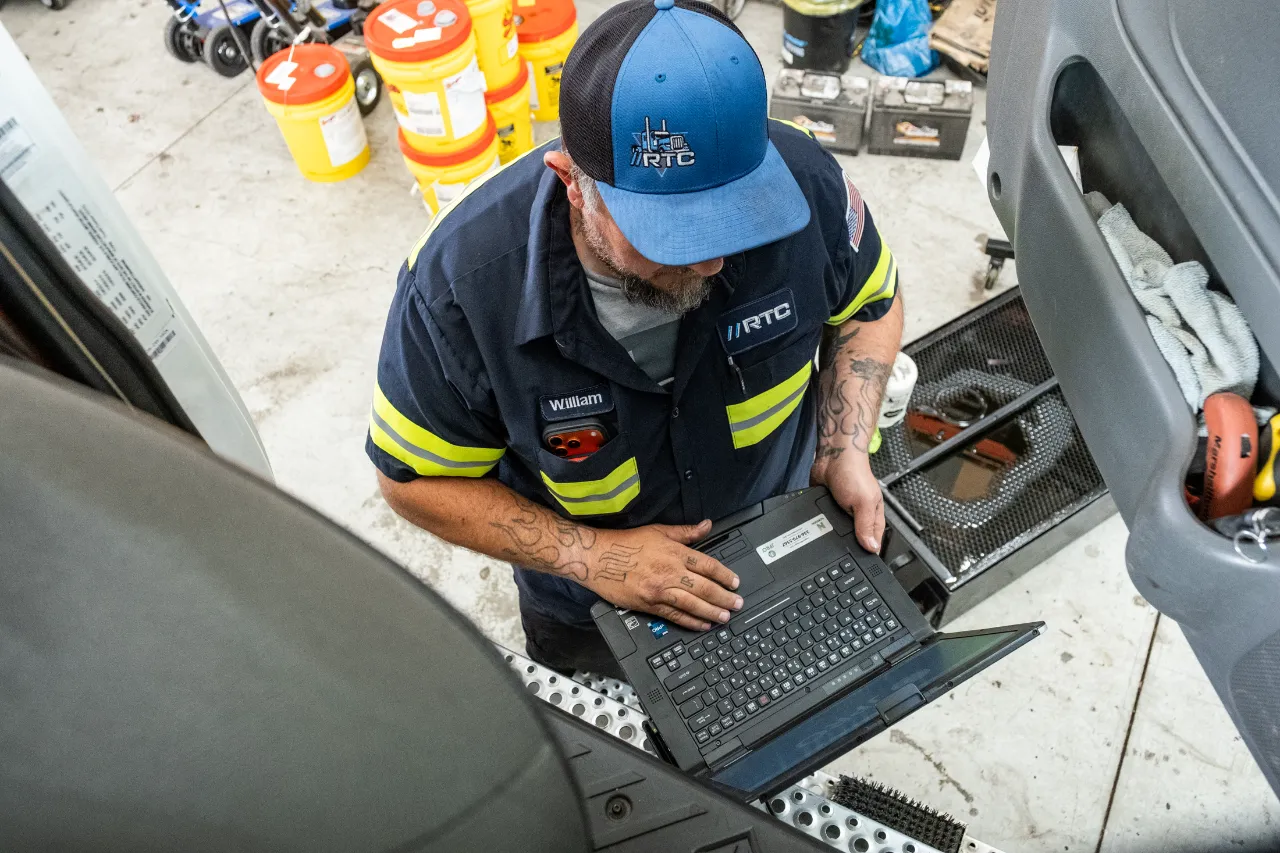
You should schedule heavy-duty truck diagnostics whenever warning lights appear, performance declines, fuel economy drops, or before long trips and routine maintenance. Early diagnostic testing identifies hidden problems before they become costly breakdowns, helping improve reliability, reduce downtime, and extend the life of your commercial truck.
Schedule Diagnostics When Warning Lights Appear
The most obvious time to schedule truck diagnostics is whenever your dashboard displays a warning indicator.
Common warning lights include:
- Check Engine Light
- Stop Engine Light
- DEF Warning
- DPF Warning
- Transmission Warning
- ABS Warning
While your truck may continue operating after one of these lights appears, delaying service can allow a minor issue to become a major repair. Early diagnostics help identify the source before additional components become damaged.
Don't Ignore Changes in Performance
Not every mechanical problem immediately triggers a warning light.
You should schedule diesel engine diagnostics if you notice:
- Reduced engine power
- Poor acceleration
- Rough idling
- Increased fuel consumption
- Hard starting
- Excessive exhaust smoke
- Engine overheating
- Unusual vibrations
These symptoms often indicate developing problems with fuel delivery, sensors, emissions equipment, turbochargers, cooling systems, or other critical components. Catching them early usually results in faster and less expensive repairs.
Before Long Hauls, Diagnostics Can Prevent Downtime
Long-distance trips place significant stress on every major system in your truck.
Scheduling professional diagnostics before an extended haul gives technicians the opportunity to detect hidden issues that haven't yet caused noticeable symptoms.
A pre-trip diagnostic inspection may uncover:
- Pending fault codes
- Weak sensors
- Battery or charging system concerns
- Cooling system irregularities
- Emissions system problems
- Transmission faults
Finding these issues before leaving Rochester, NY greatly reduces the risk of an expensive roadside breakdown hundreds of miles from home.
Include Diagnostics in Your Preventive Maintenance Schedule
Many truck owners wait until something goes wrong before requesting diagnostics. However, preventive maintenance is one of the most effective ways to reduce unexpected failures.
Routine commercial truck diagnostics can be performed during:
- Oil changes
- DOT inspections
- Preventive maintenance services
- Seasonal inspections
- Fleet maintenance appointments
Preventive maintenance focuses on identifying developing issues before they become major failures, helping reduce downtime and extend vehicle life.
By combining diagnostics with scheduled maintenance, technicians gain valuable information about the overall health of your truck while addressing small issues before they become costly repairs.
Diagnostics Are Essential After Repairs
Even after a repair has been completed, diagnostic testing remains important.
Many modern systems require technicians to:
- Clear fault codes
- Reset adaptive learning values
- Verify sensor operation
- Confirm emissions readiness
- Test repaired components under operating conditions
Skipping these steps may leave unresolved issues hidden within the system or allow previous fault codes to return unnecessarily.
Fleet Owners Benefit Even More
If you manage multiple commercial vehicles, routine fleet diagnostics provide several advantages.
Instead of waiting for trucks to break down unexpectedly, diagnostic reports help identify patterns across your fleet.
Benefits include:
- Reduced unexpected downtime
- Better maintenance planning
- Improved fuel efficiency
- Longer equipment lifespan
- Lower repair costs
- Increased vehicle reliability
Small issues identified during routine inspections often prevent expensive engine or transmission failures later.
How Diagnostics Help Emissions Systems
Modern diesel engines use advanced emissions systems that include:
- Diesel Particulate Filters (DPF)
- Diesel Exhaust Fluid (DEF)
- Selective Catalytic Reduction (SCR)
- Exhaust Gas Recirculation (EGR)
- Diesel Oxidation Catalyst (DOC)
These systems work together to reduce emissions while maintaining engine performance. Sensors monitor each component continuously, allowing the ECM to detect faults before they become severe. Diesel after-treatment systems rely on multiple sensors and electronic controls to monitor emissions performance and initiate processes like regeneration when necessary.
When warning signs appear, prompt diagnostics help prevent expensive emissions-related repairs.
Seasonal Changes Can Reveal Hidden Problems
Changing weather conditions place additional demands on heavy-duty trucks.
Cold winters in Rochester, NY can expose weaknesses in:
- Batteries
- Glow plugs
- Charging systems
- Fuel systems
- Coolant systems
Summer heat can reveal problems involving:
- Cooling systems
- Radiators
- Fan clutches
- Air conditioning
- Transmission cooling
Scheduling diagnostics before seasonal extremes helps ensure your truck remains dependable regardless of the weather.
Why Early Diagnostics Save Money
Some drivers hesitate to schedule diagnostics because their truck still runs. Unfortunately, many failures develop gradually. For example:
A faulty sensor may initially reduce fuel economy. Left untreated, it can affect emissions equipment, trigger regeneration problems, and eventually lead to expensive repairs involving multiple systems.
Likewise, a minor cooling system issue can eventually cause engine overheating, leading to catastrophic engine damage.
Early diagnostic testing identifies these problems while repairs are still relatively simple and affordable.
Choosing an Experienced Diagnostic Shop
Heavy-duty truck diagnostics require more than a scan tool.
Experienced technicians understand how different systems interact and know how to interpret fault codes alongside real-world operating conditions.
When selecting a repair facility, look for technicians who:
- Use professional diagnostic equipment
- Understand diesel engine systems
- Perform thorough inspections
- Verify repairs through testing
- Explain findings clearly
Accurate diagnostics reduce unnecessary parts replacement while ensuring the root cause is properly addressed.
Keep Your Operations Running With Truck Diagnostics
Your truck constantly provides clues when something isn't right. Dashboard warning lights, declining performance, unusual noises, or changing fuel economy all signal that it's time for heavy-duty truck diagnostics.
Scheduling diagnostics before long trips, during routine maintenance, after repairs, and whenever symptoms appear helps prevent unexpected breakdowns and extends the life of your equipment. Investing in early diagnostics today can save thousands in repair costs tomorrow while keeping your truck operating safely and efficiently.
[ Articles ]
Read Articles from our Industry Experts
.webp)
.webp)
Call for mobile truck repair, roadside assistance, & fleet maintenance services in Rochester, NY today!